Original: $63.00
-65%$63.00
$22.05The Story
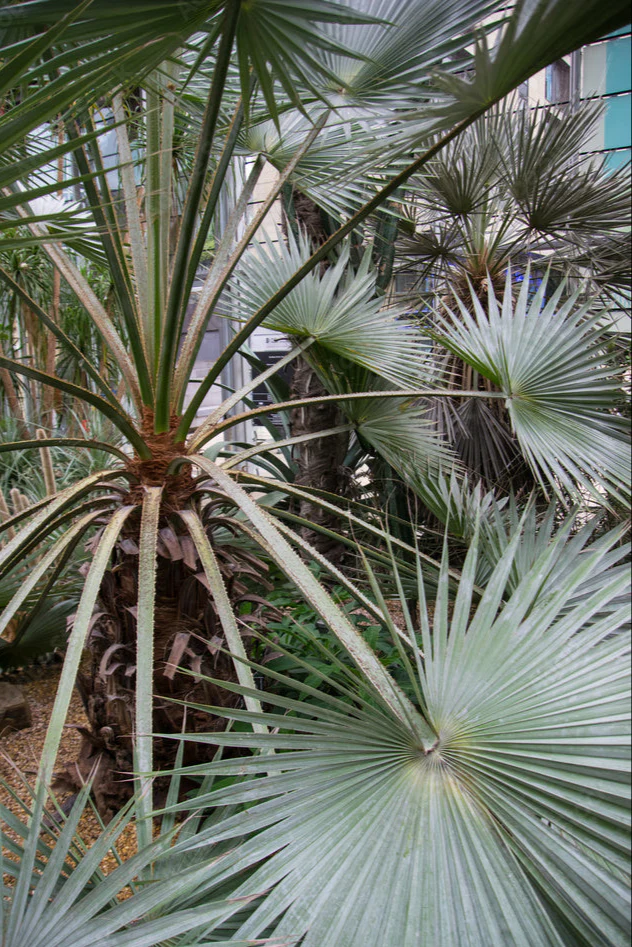
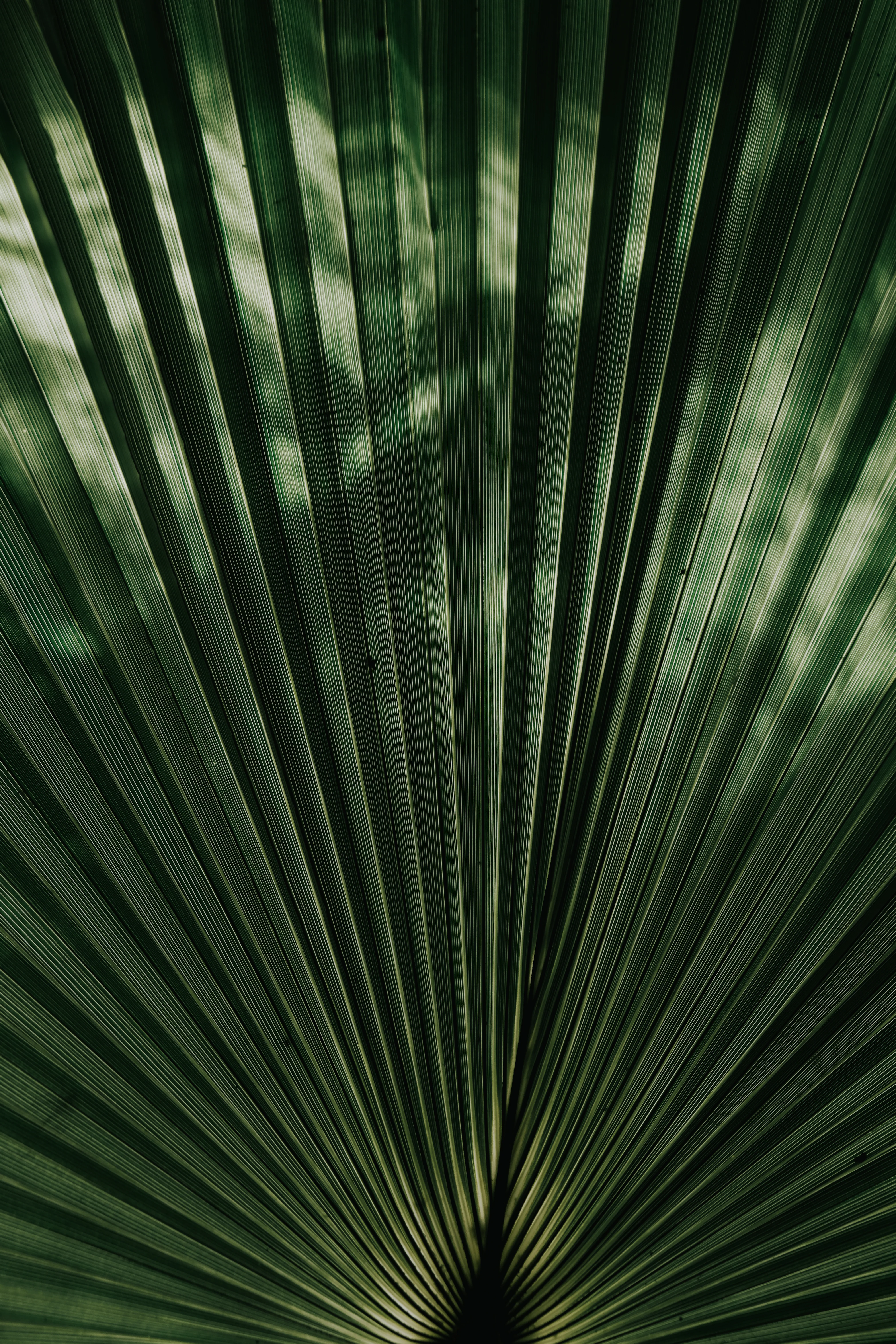
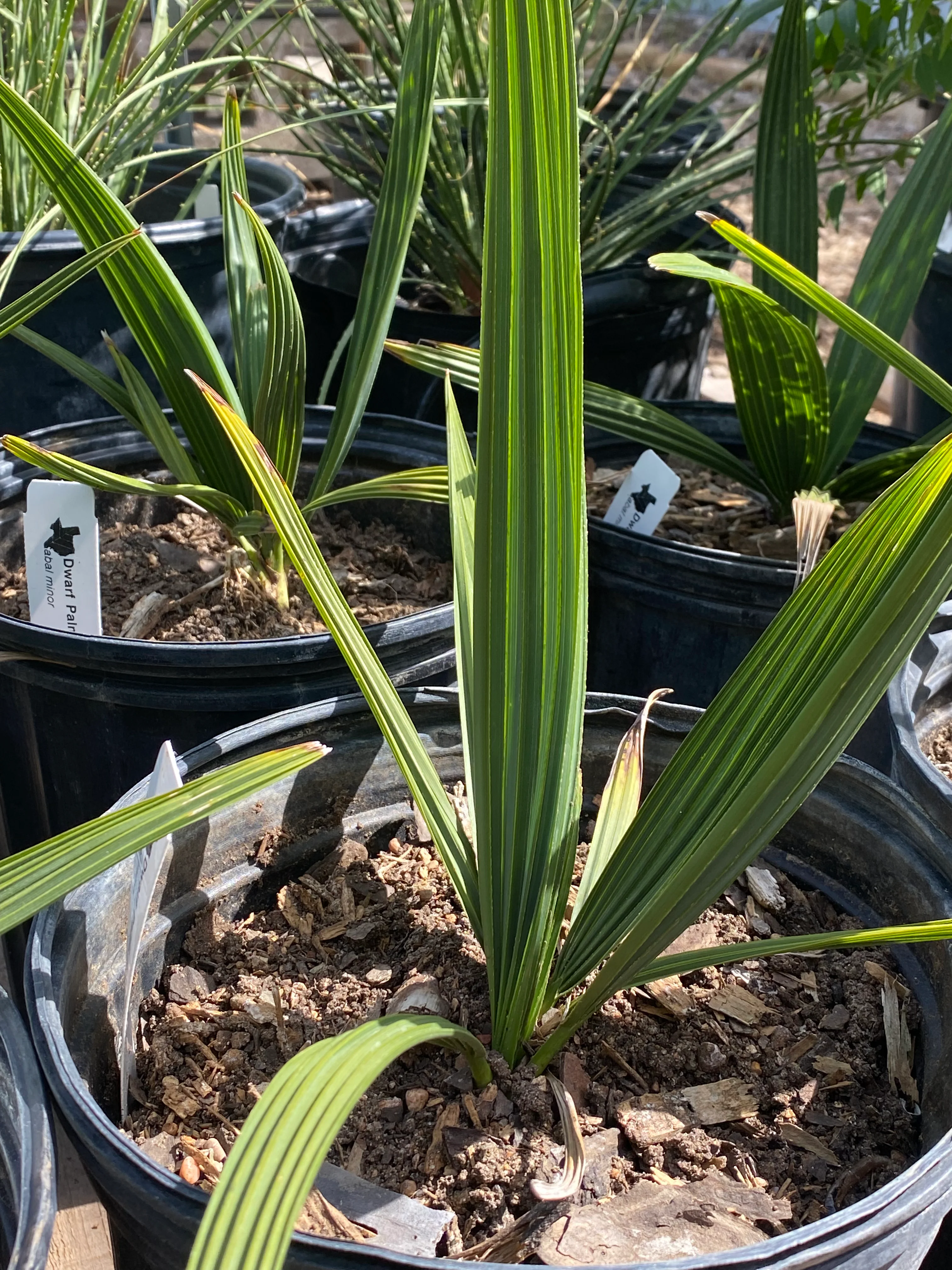
Sabal minor, commonly known as Dwarf Palmetto, is a compact, evergreen palm prized for its fan-shaped, deep green fronds and rugged, tropical appearance. This low-growing palm typically reaches 3–6 feet in height and spreads 4–6 feet wide, forming a dense, shrub-like clump. Thriving in full sun to partial shade, it adapts well to a variety of soils, including sandy and moist conditions, and is notably drought-tolerant once established. The Dwarf Palmetto produces subtle creamy-white flowers in late spring to early summer, followed by small black berries that attract wildlife. Hardy in USDA Zones 7–11, it’s an excellent choice for coastal landscapes, woodland gardens, or as a hardy, low-maintenance accent plant in southern and coastal regions.
Scientific Name: Sabal minor
Height: 3–6 feet
Spread: 4–6 feet
Light: Full sun to partial shade
Water: Moderate
Blooms: Late spring to early summer
USDA Zones: 7–11
Details & Craftsmanship
Every detail has been carefully considered to bring you the perfect product.
Details & Craftsmanship
Every detail has been carefully considered to bring you the perfect product.
Description
Sabal minor, commonly known as Dwarf Palmetto, is a compact, evergreen palm prized for its fan-shaped, deep green fronds and rugged, tropical appearance. This low-growing palm typically reaches 3–6 feet in height and spreads 4–6 feet wide, forming a dense, shrub-like clump. Thriving in full sun to partial shade, it adapts well to a variety of soils, including sandy and moist conditions, and is notably drought-tolerant once established. The Dwarf Palmetto produces subtle creamy-white flowers in late spring to early summer, followed by small black berries that attract wildlife. Hardy in USDA Zones 7–11, it’s an excellent choice for coastal landscapes, woodland gardens, or as a hardy, low-maintenance accent plant in southern and coastal regions.
Scientific Name: Sabal minor
Height: 3–6 feet
Spread: 4–6 feet
Light: Full sun to partial shade
Water: Moderate
Blooms: Late spring to early summer
USDA Zones: 7–11