Original: $6.50
-65%$6.50
$2.27The Story
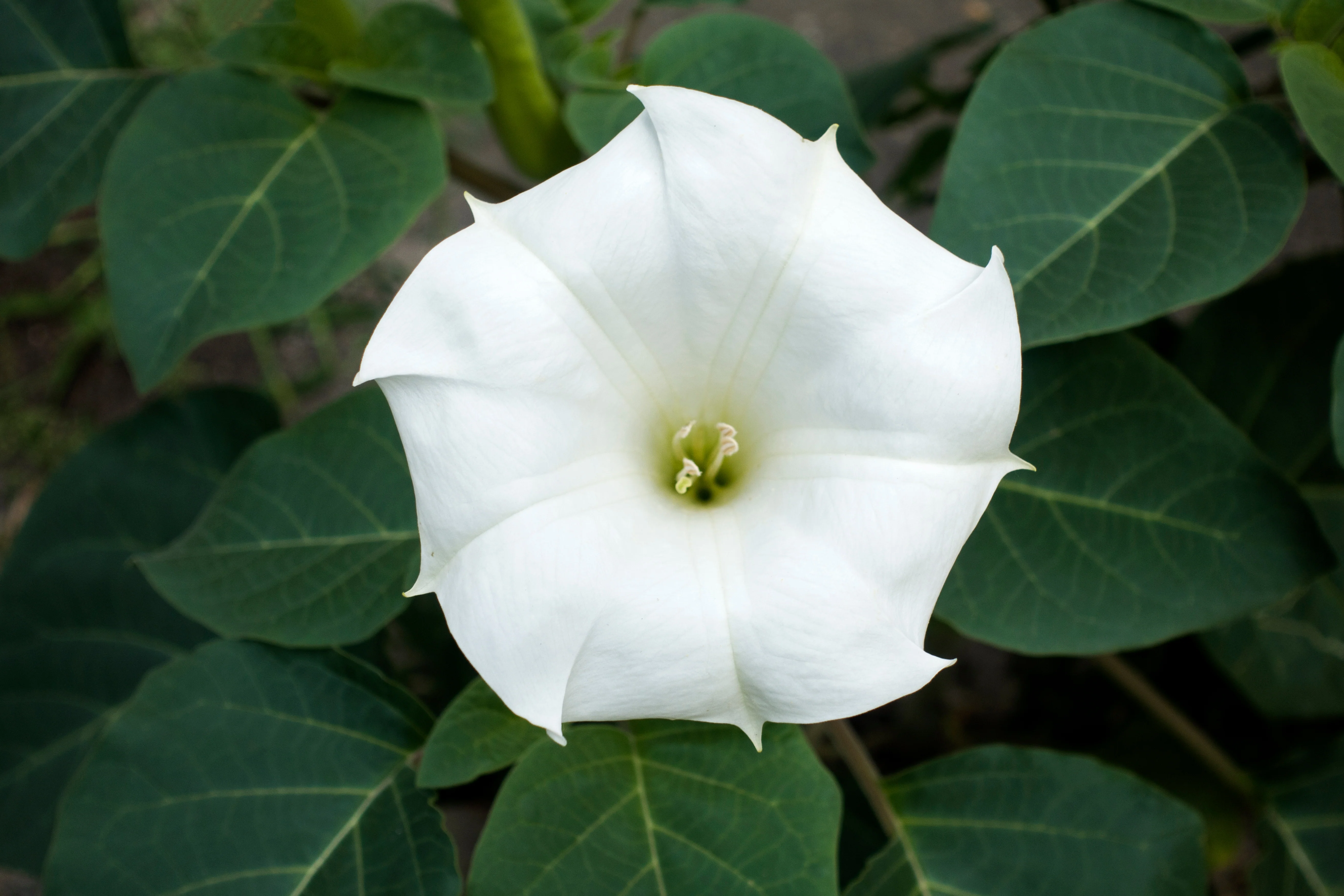
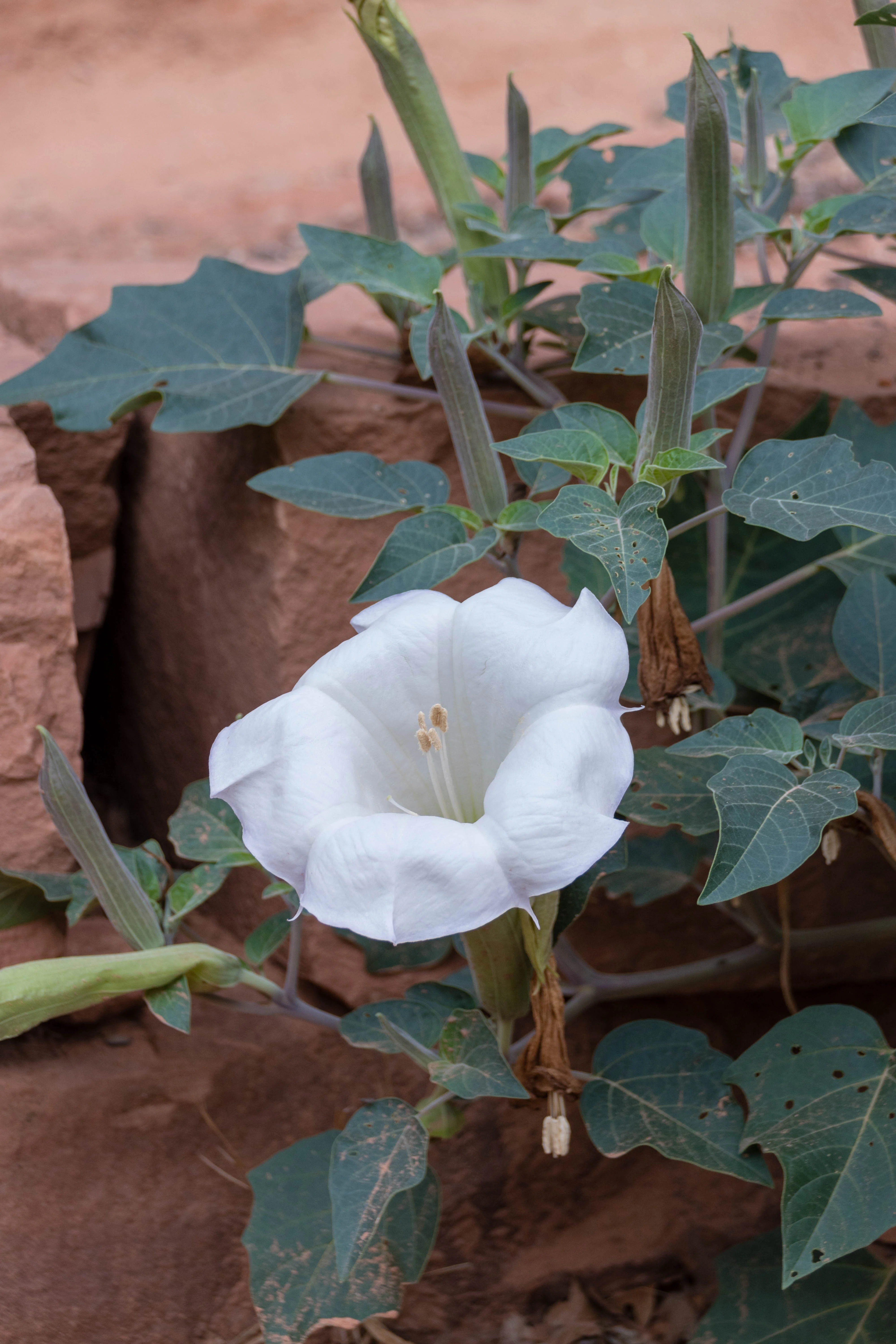
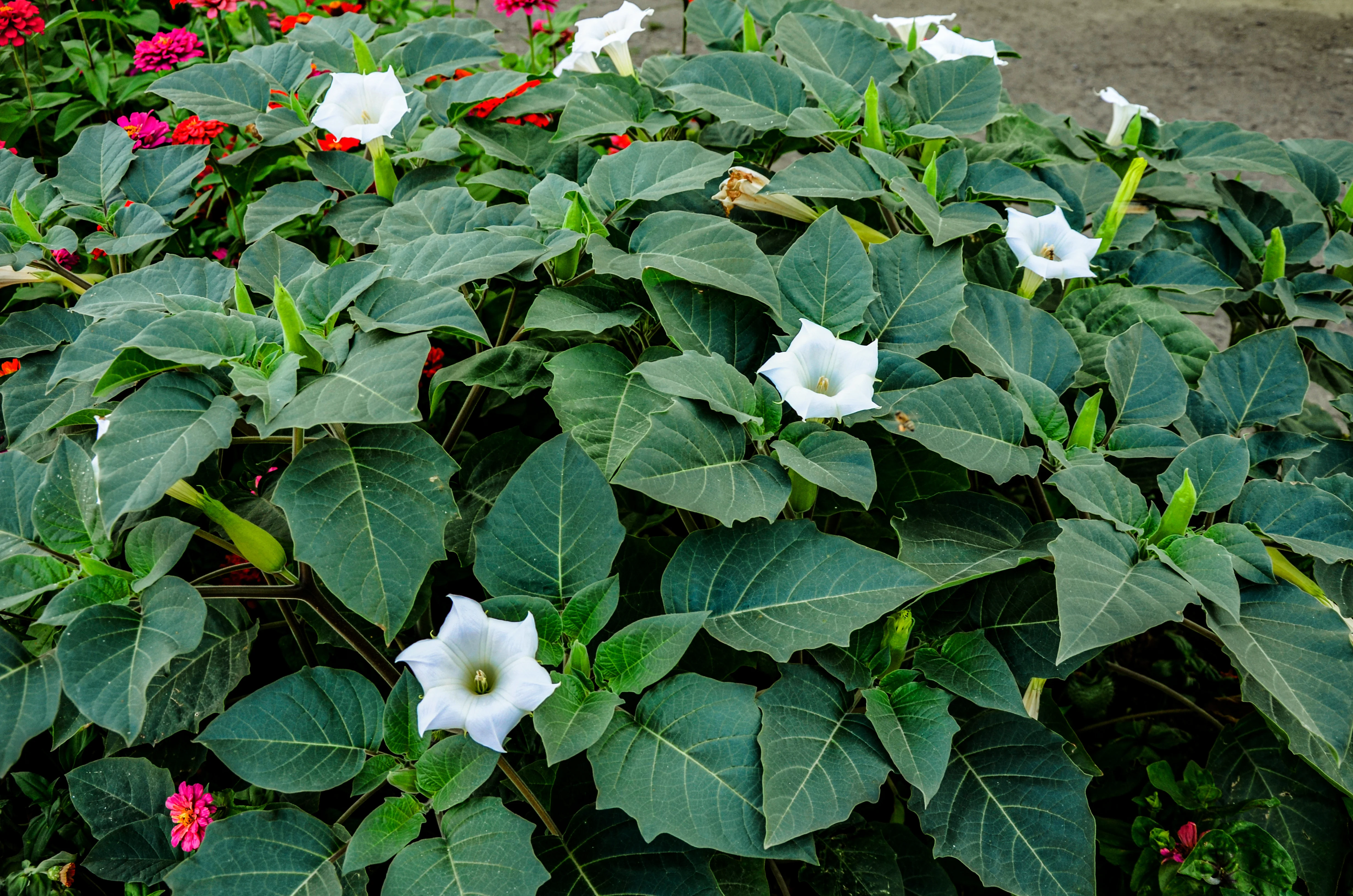
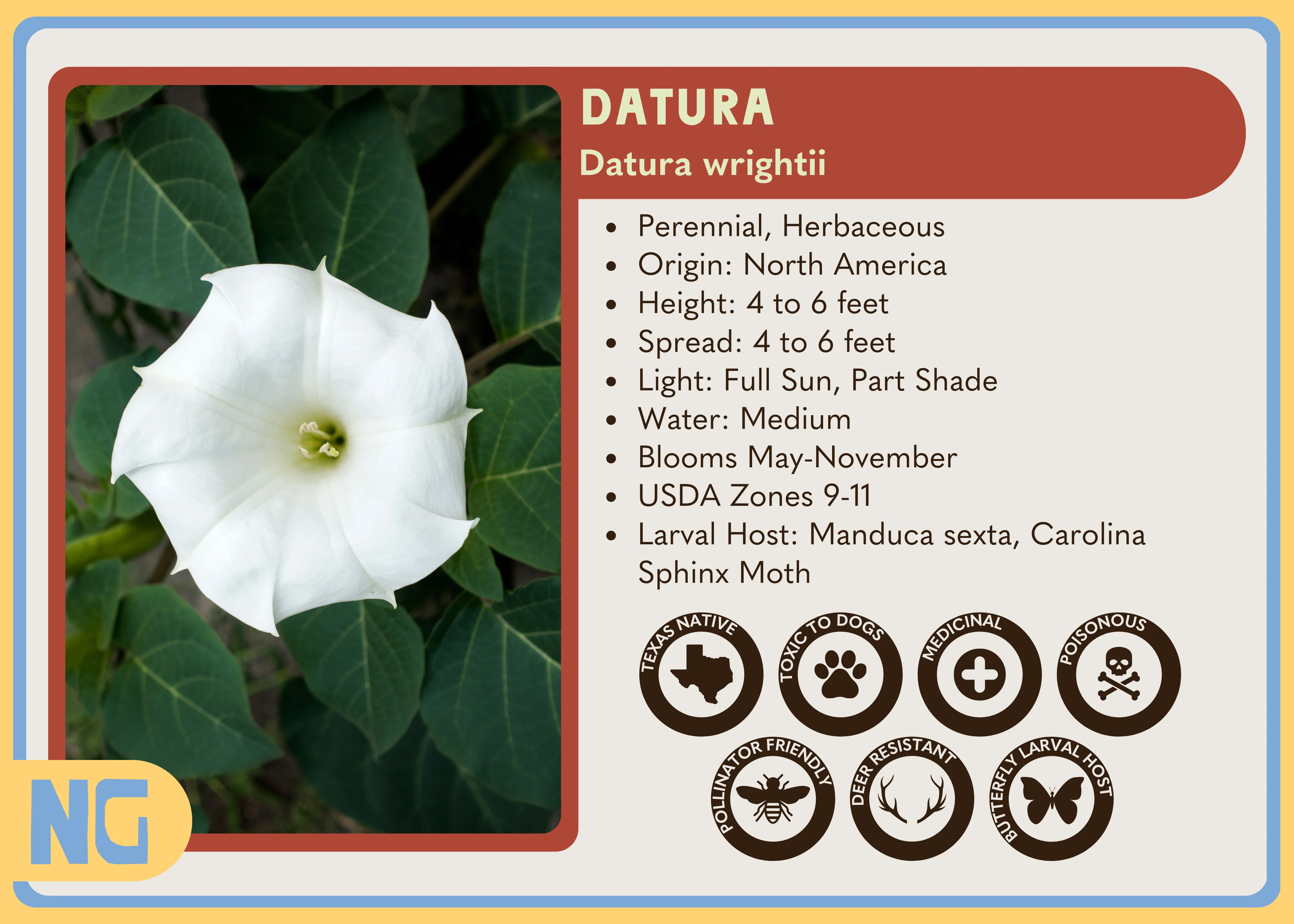
Datura wrightii (Jimsonweed) is a striking yet dangerous perennial herb known for its large, white, trumpet-shaped flowers that bloom from evening to morning. Growing up to 6 feet tall, this plant thrives in well-drained soils across the Southwest, including Texas. While visually stunning with its fragrant blooms, every part of this plant is highly toxic, making it both a beautiful and hazardous addition to any garden. Historically, it was used by indigenous peoples for its narcotic properties, though improper handling can be lethal. It also serves as a larval host for the Carolina Sphinx Moth.
Scientific Name: Datura wrightii
Origin: North America
Height: 4 to 6 feet
Spread: 4 to 6 feet
Light: Full Sun, Part Shade
Water: Medium
Blooms: May-November
USDA Zones: 9-11
Larval Host: Carolina Sphinx Moth
Details & Craftsmanship
Every detail has been carefully considered to bring you the perfect product.
Details & Craftsmanship
Every detail has been carefully considered to bring you the perfect product.
Details & Craftsmanship
Every detail has been carefully considered to bring you the perfect product.
Description
Datura wrightii (Jimsonweed) is a striking yet dangerous perennial herb known for its large, white, trumpet-shaped flowers that bloom from evening to morning. Growing up to 6 feet tall, this plant thrives in well-drained soils across the Southwest, including Texas. While visually stunning with its fragrant blooms, every part of this plant is highly toxic, making it both a beautiful and hazardous addition to any garden. Historically, it was used by indigenous peoples for its narcotic properties, though improper handling can be lethal. It also serves as a larval host for the Carolina Sphinx Moth.
Scientific Name: Datura wrightii
Origin: North America
Height: 4 to 6 feet
Spread: 4 to 6 feet
Light: Full Sun, Part Shade
Water: Medium
Blooms: May-November
USDA Zones: 9-11
Larval Host: Carolina Sphinx Moth